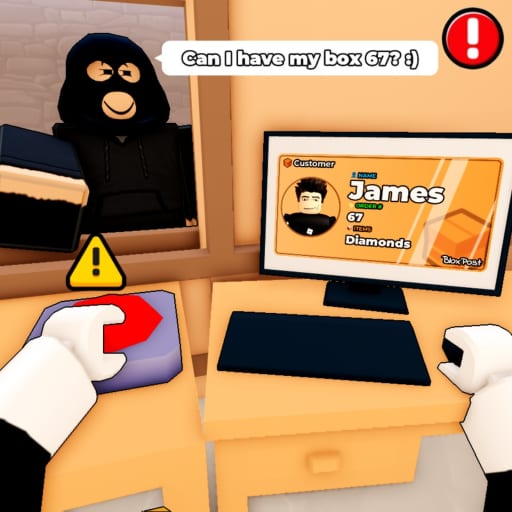
Mail or Jail Event Survival Tips
Decision frameworks for keeping your job when hazards, thieves, and deliveries demand attention at once.
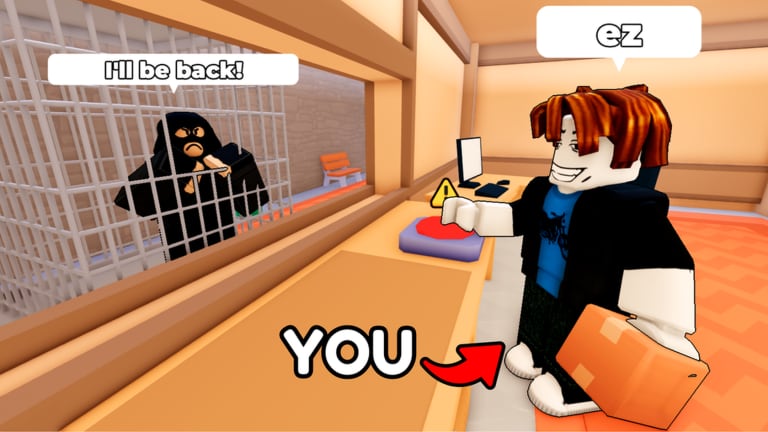
Surviving Mail or Jail is not only about knowing random events — it is about deciding while events, thieves, and doorstep timers compete for your attention. Delivery Day Studios built a Roblox postal sim (place 70663806238212, universe 10450718227) where mistakes stack into a FIRED ending across seven shifts. This page gives macro survival tips that keep mistake counts low when the map stops cooperating.
Use these frameworks alongside Controls, the full walkthrough, and Shift 1 tips. Written rules below matter more than any single gameplay clip — study them before late shifts when events stack.
Rule 1: Verification beats speed every time
Events tempt you to rush ID panels. Thieves love rushed players. Your survival tip anchor is unchanged across shifts:
- Portrait, name, address — three checks, every NPC.
- Deny on any mismatch even if dialogue pressures you.
- Stop moving on mobile before tapping approve.
Speed saves seconds; bad approvals cost entire runs. The ID checklist exists for chaotic shifts — use it literally.
When verification lines grow during events, queue discipline matters: finish one card fully before glancing at the next NPC. Multitasking IDs creates fraudulent releases documented on Endings.
Rule 2: Deliver or respond — pick consciously
When an event fires mid-route, players panic into random sprinting. Use a two-question framework:
- Is my current package at the correct doorstep already? If yes, complete handoff first — dropping mail mid-animation causes delivery mistakes.
- Does the event timer visibly threaten immediate failure? If yes, break delivery order only after reading the objective once.
If both answers are urgent, favor verification-safe actions: never skip ID checks to save an event second. Many random events punish indirect mistakes more than slight delays.
Practice the framework on Shift 2–3 in the Shifts hub before Shift 5 stacks hazards.
Rule 3: Thieves outrank shortcuts, not legitimate IDs
Thief escalation events require camera awareness:
- Finish secure deliveries before long chases when possible.
- Sprint with purpose; circling drains time without closing distance.
- Arrest at prompt — see Desktop or Mobile and console bindings.
Do not chase thieves through unverified customer lines. Catch the thief after rejecting bad IDs, not instead of checks.
Rule 4: Track mistakes like a meter
Even if the UI hides exact numbers, behave as if you have a mistake meter:
- Log errors in the shift mistake tracker during learning runs.
- Stop sessions in the danger zone instead of training sloppiness.
- Label mistakes: ID, delivery, thief, event — fix the top category next attempt.
Survival tip: players who fire on Shift 4 often had warning signs on Shift 3 they ignored.
Rule 5: Unload perfectly to buy event margin
Event survival starts at the truck. Incomplete unload creates late-shift time debt when events fire back-to-back. Shift 1 habits from Shift 1 tips apply all week:
- Clear visible cargo.
- Confirm labels before leaving depot.
- Do not skip depot prompts to beat cosmetic timers.
Perfect unload does not grant invincibility, but it prevents starting mid shifts already stressed.
Rule 6: Platform-specific stability
Events amplify input problems:
- PC: Stable FPS for mouse tracking during chases; see Desktop controls.
- Mobile/Tablet: Wi-Fi, lower graphics, deliberate taps; see Mobile and console controls.
- Console: Readable ID text distance; avoid playing tired on big screens.
Frame stutter during events equals missed prompts. Survival beats graphics flair.
Rule 7: Session prep reduces panic
Before event-heavy attempts:
- Check Codes and claim Delivery Day Studios group 372114481 bonus via Group bonus.
- Read Random events categories so banners feel familiar.
- Skim Guides for patch-specific callouts.
- Check Review if you need expectations on late-shift fairness.
Prepared players read event text once calmly; unprepared players read twice while timers expire.
Rule 8: Co-op communication without outsourced IDs
Friends can call thieves or house numbers, but you must click approve. Voice comms help awareness; they do not replace Checklist discipline. Assume co-op mistakes still fire individual players unless update notes say otherwise.
Rule 9: After a fired ending, change one variable
Retry loops fail when everything changes at once. After firing:
- Identify dominant mistake type from tracker logs.
- Fix one system — IDs, thieves, or events — before merging fixes.
- Replay targeted shift segments from Full walkthrough notes.
Survival improvement is iterative, not heroic Shift 7 grinds on broken habits.
Rule 10: Late shifts deserve fresh focus
Shift 6–7 combine dense routes, frequent events, and tight mistake budgets. Play when alert, not when grinding bedtime sessions. One tired approval ends a week-long attempt mentally even if you restart digitally.
Related pages
- Events hub — Section index
- Random events — Hazard category reference
- Endings — Fired versus seven-shift success
- Tools hub — Checklist and mistake tracker
Event survival in Mail or Jail is decision quality under noise. These tips do not remove randomness — they stop randomness from becoming preventable mistakes. Master verification first, prioritize consciously, track errors honestly, and late-shift events become manageable instead of run-ending.
Frequently Asked Questions
Quick answers players ask after every shift.
Should I finish deliveries before event objectives?
Often yes if you are at the correct doorstep. Read the event timer; use the deliver-or-respond framework above when both are urgent.
What is the best tool for event-heavy runs?
The [shift mistake tracker](/tools/shift-tracker/) plus [ID checklist](/tools/id-checklist/) keep you aware of firing proximity during chaos.
Why do I survive events but still get fired?
Indirect mistakes — bad IDs during rush, missed thieves after detours — still count. Audit mistake types, not just event banners.
Where do I practice survival without late-shift stress?
Shift 2–3 in the [Full walkthrough](/shifts/full-walkthrough/) offer real events with more forgiving budgets than Shift 6–7.